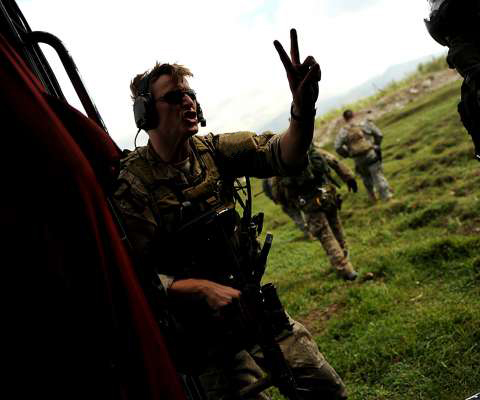
Enlisted COMBAT CONTROL
YOU DON’T APPLY, YOU PROVE.
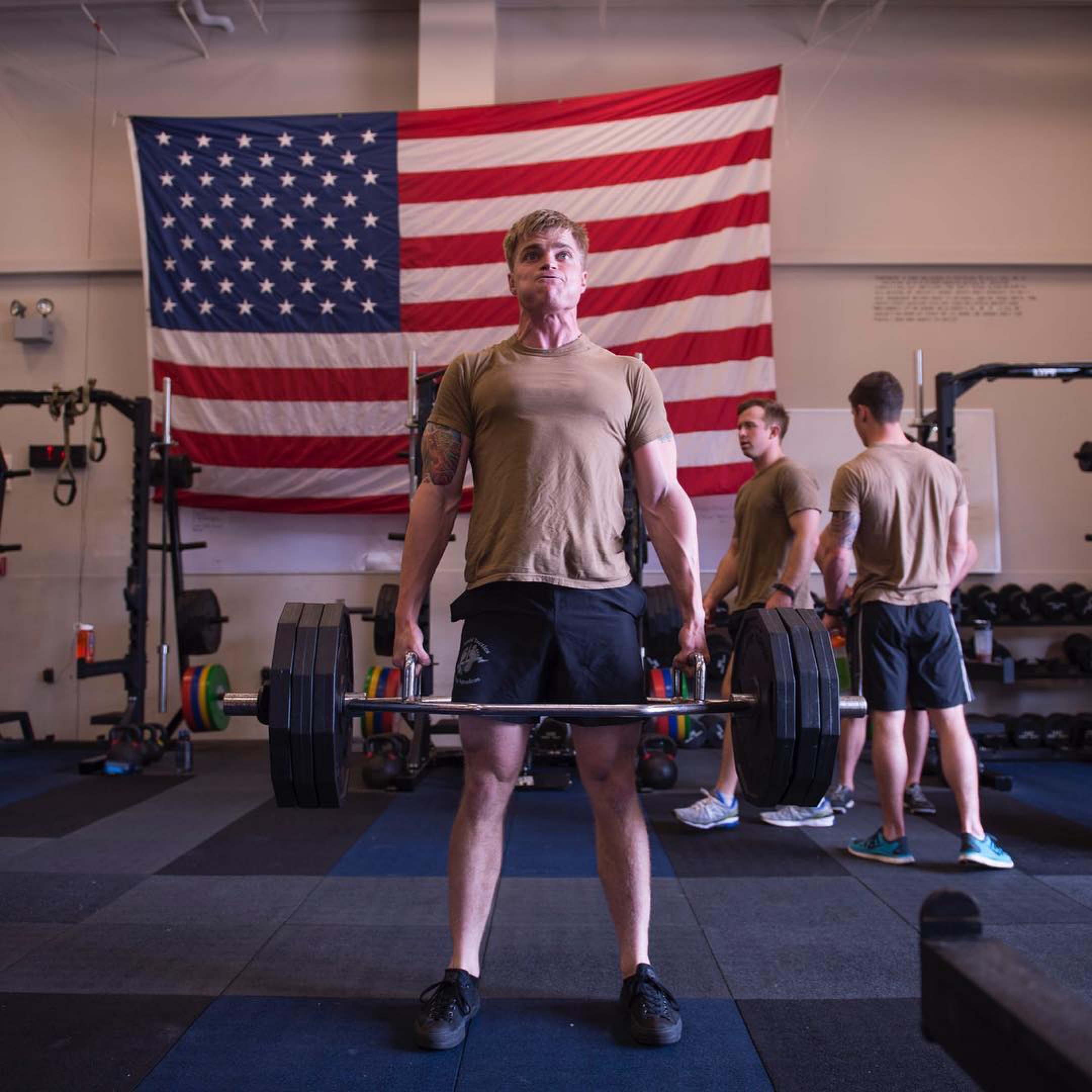
SWIPE TO SEE THE TRAINING PIPELINE TO BECOME A CCT.
SKIP CCT Training CAROUSEL
-
01 BASIC MILITARY TRAINING (BMT)
7.5 weeks/Lackland AFB, TX
The first step to becoming an Airman happens in BMT where trainees learn military structure, the core values of the U.S. Air Force, and to prepare both mentally and physically for life as an Airman.LEARN MORE -
02 SPECIAL WARFARE ASSESSMENT AND SELECTION COURSE
Four weeks/Lackland AFB, TX
This is the moment candidates must prove they are worthy to advance in a CCT career or find another career field. -
03 COMMON SKILLS (ZULU) COURSE
16 weeks/Lackland AFB, TX
This is where Special Warfare Airmen build the foundational skills needed to succeed in their career fields. Trainees learn weapons proficiency, small-unit tactics, tactical communications, casualty care, and mission planning while continuing to develop their physical and mental resilience. By training alongside other Special Warfare candidates, they gain the essential skills and teamwork needed to advance to specialized training and prepare for real-world missions. -
04 SPECIAL WARFARE PRE-DIVE COURSE
Four weeks/Lackland AFB, TX
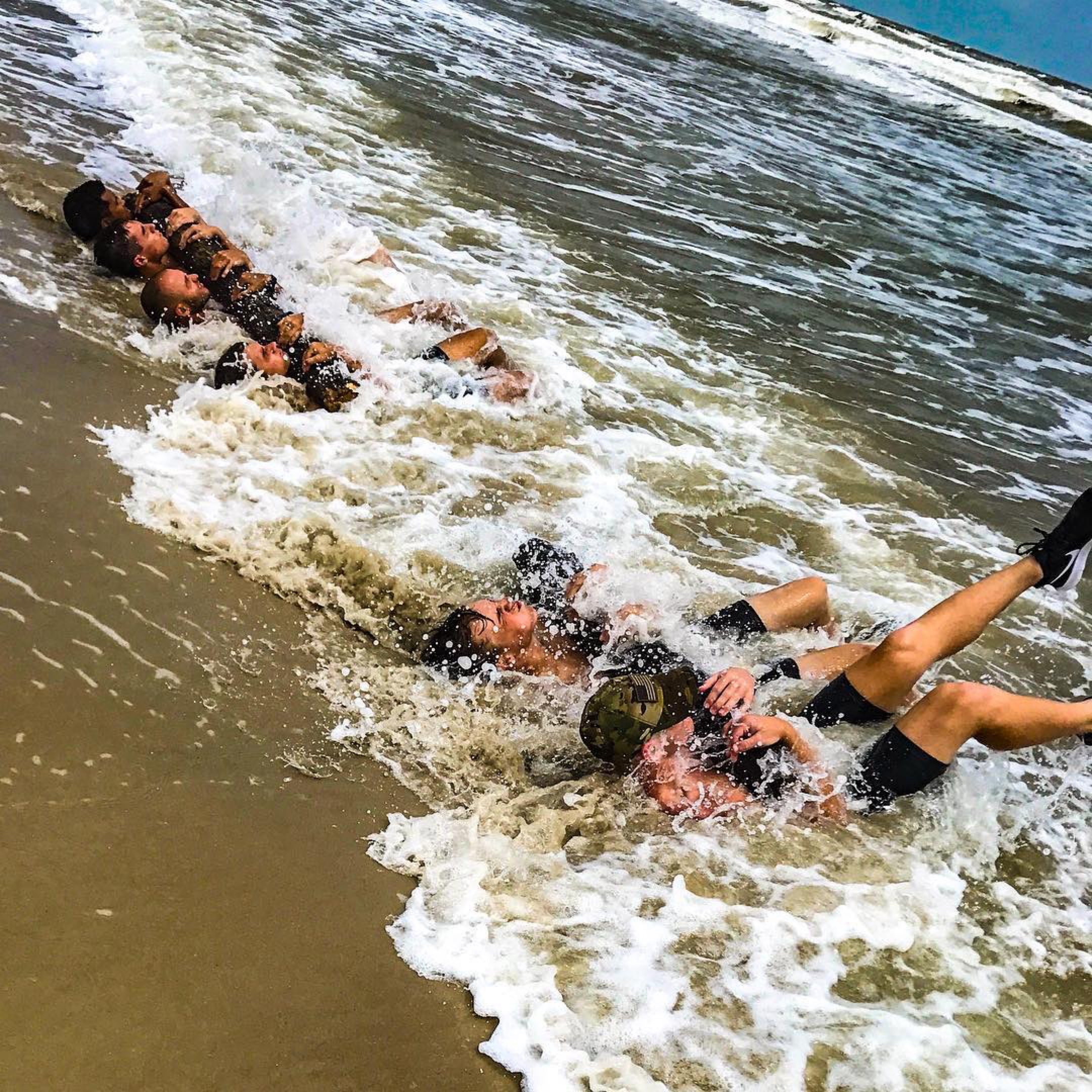
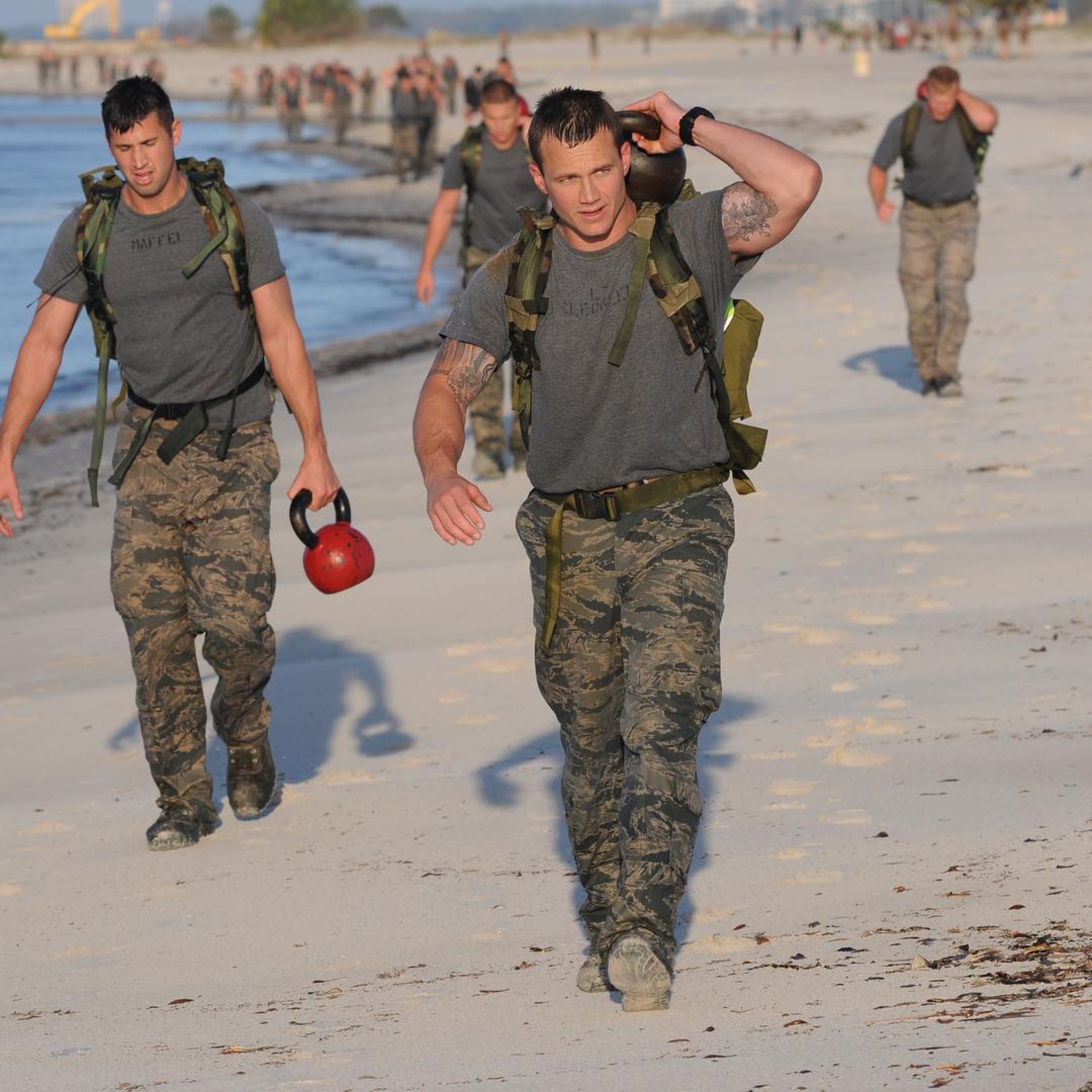
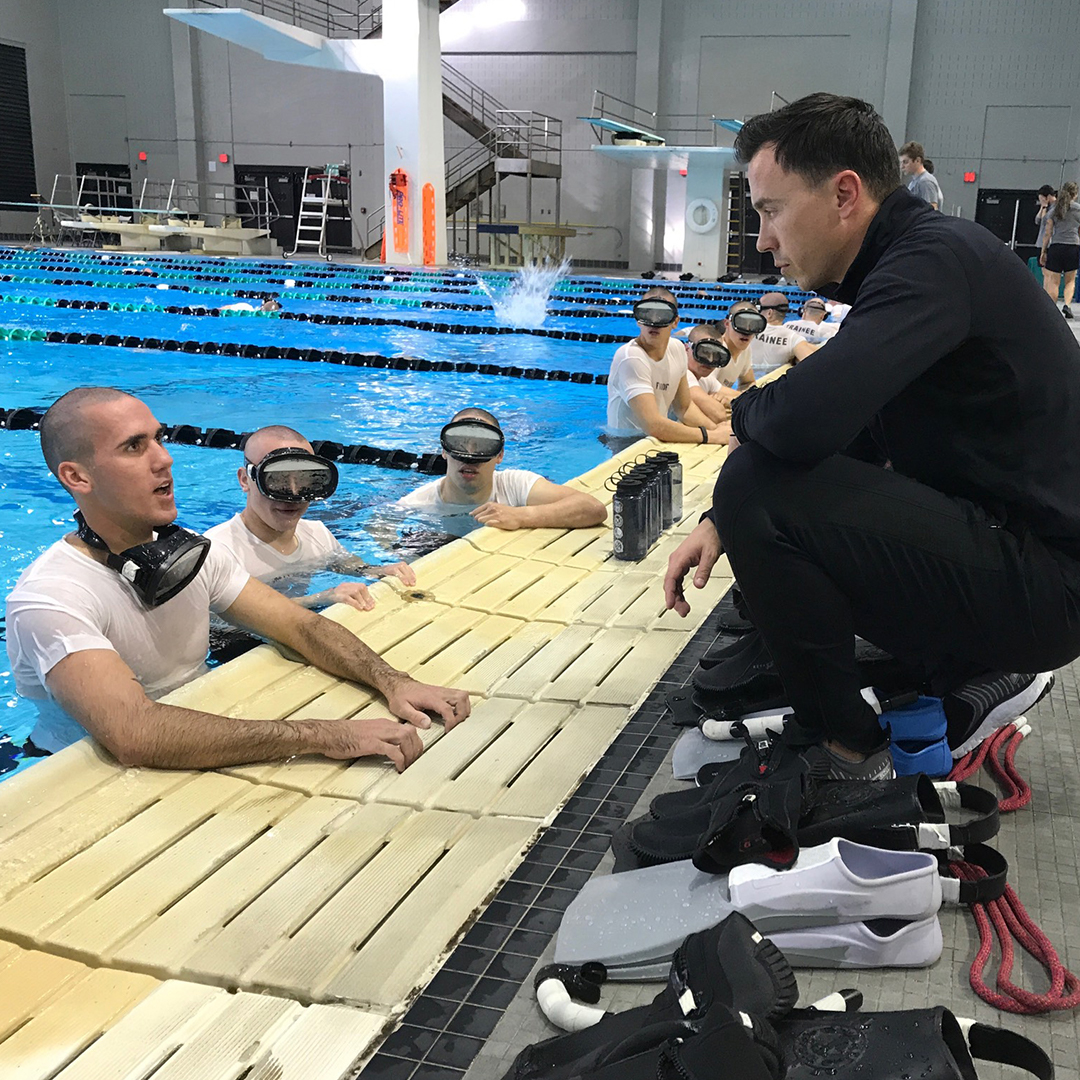
Pre-dive prepares candidates physically and mentally for the rigors of combat dive school. It consists of intense calisthenics, middle- and long-distance running, swimming and, most importantly, water-confidence training. -
05 AIRBORNE SCHOOL
Three weeks/Fort Benning, GA
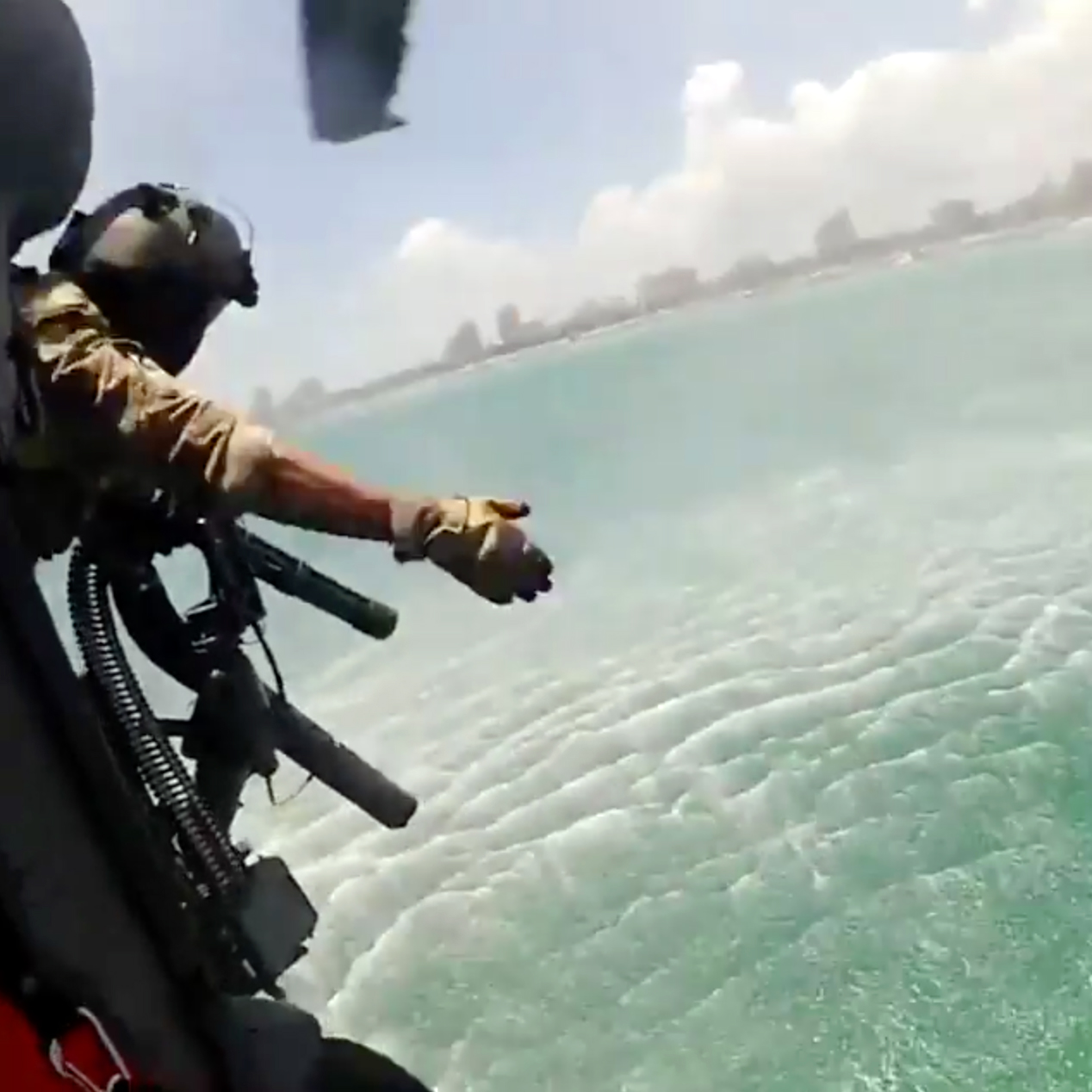
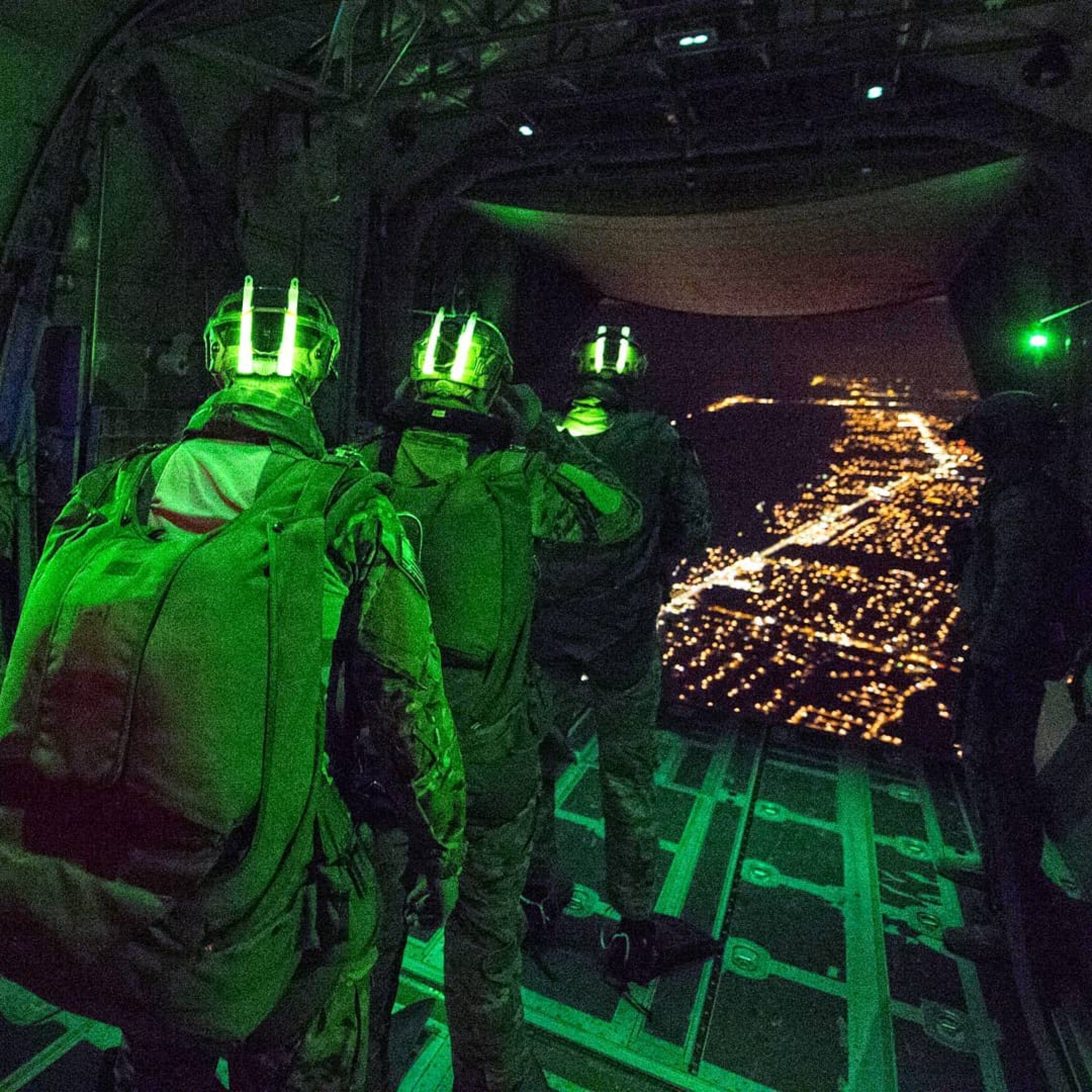
CCTs are imbedded with other special forces, which means they go wherever the mission demands. Sometimes this requires dropping in from above. During airborne training, they learn basic parachuting and prepare for static line jump operations. -
06 MILITARY FREE-FALL COURSE
4.5 weeks/Yuma Proving Ground, AZ
In addition to being certified air traffic controllers, CCTs are also advanced skydivers. This is where they take that next step by building on the training they received at airborne school. -
07 SERE TRAINING
Three weeks/Fairchild AFB, WA
Special Warfare Airmen conduct missions in some of the most extreme and hostile places on the planet. This is where they receive survival, evasion, resistance and escape training that will likely one day save their lives. -
08 AIR TRAFFIC CONTROL
9 weeks/Pope Army Airfield, NC
The primary responsibility of a CCT is to direct air traffic. In addition to continuing the rigorous fitness training, they also learn how to become air traffic controllers and eventually get FAA certified. -
09 COMBAT CONTROL APPRENTICE COURSE
13 weeks/Pope Army Airfield, NC
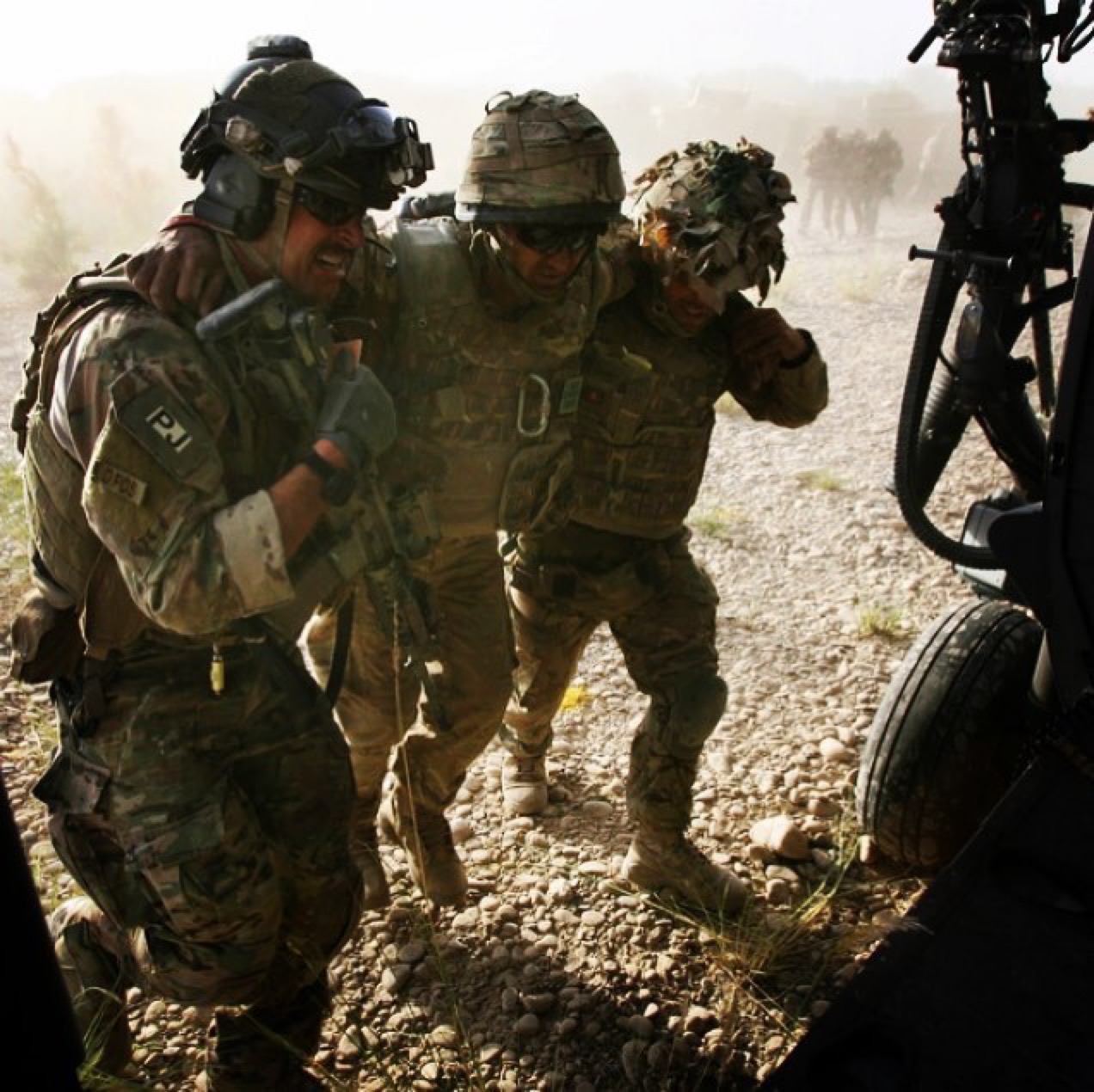
CCTs are more than air traffic controllers, they’re battlefield Airmen usually operating in the middle of a war zone. This is where they learn to apply their training under pressure while obtaining fundamental combat skills utilizing a range of weapons and strategies. -
step 10 SPECIAL TACTICS TRAINING
Six months/Hurlburt Field, FL
The longest segment of the pipeline is also the most comprehensive with advanced weapons and demolition training, all-terrain vehicle operation and core skills instruction, all culminating in a five-level upgrade on completion.
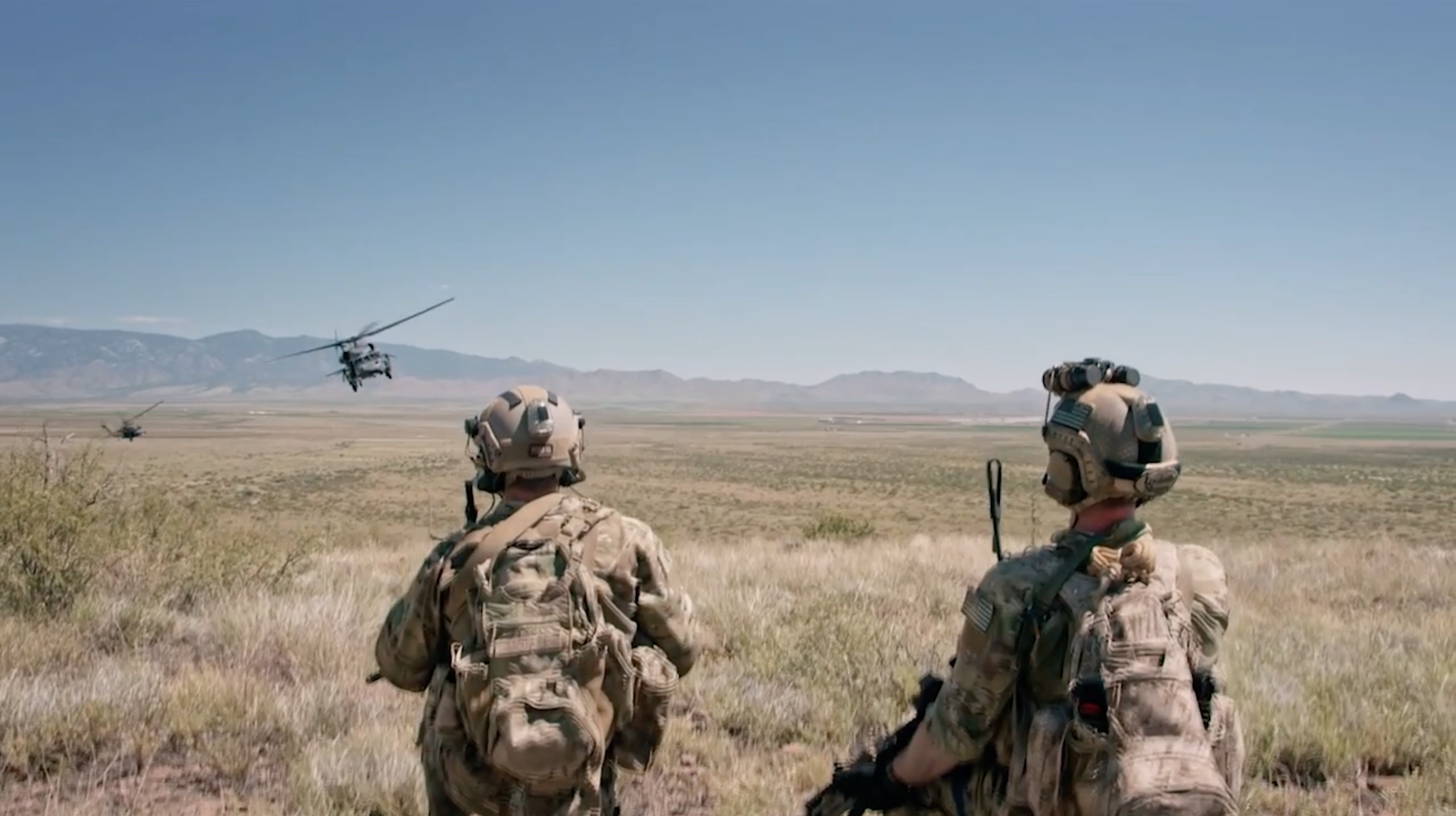
GET SPECIAL WARFARE READY.
SWIPE TO SEE WHAT IS REQUIRED TO BECOME A CCT, SO YOU CAN PREPARE BEFORE ENTERING THE PIPELINE.
SKIP CCT Fitness CAROUSEL
-
01 Swim 25 meters underwater
-
02 Swim 500 meters (breaststroke, sidestroke and freestyle)

-
03 Run 1.5 miles

-
04 Pull-ups in two minutes

-
05 Sit-ups in two minutes

-
06 Push-ups in two minutes

-
You must be 17–42 years of age, a U.S. citizen and obtain a qualifying ASVAB score
High School Students may start their application as early as the end of their junior year
-
49 General (G)
-
- Successful completion of the Special Warfare Operator Enlistment IFT
- Minimum ASVAB score of 49 General (G)
- Physical qualification for marine diving duty and parachute duty
- Physical qualification and maintenance of personal physical standards
- Normal color vision and depth perception
- Completion of a current National Agency Check, Local Agency Checks and Credit Check
- Qualification as a static-line parachutist
- Completion of 7.5 weeks of Basic Military Training
- Must be at least 17, but has not reached age 42 on the date of enlistment
VIEWS FROM REAL SPECIAL WARFARE