FITNESS AIR FORCE FITNESS
STAY FIT. STAY READY.
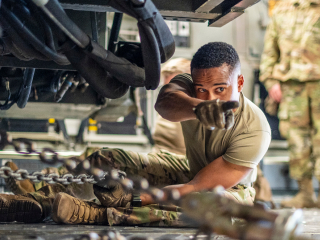
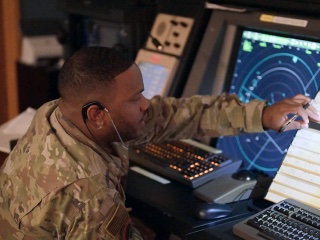
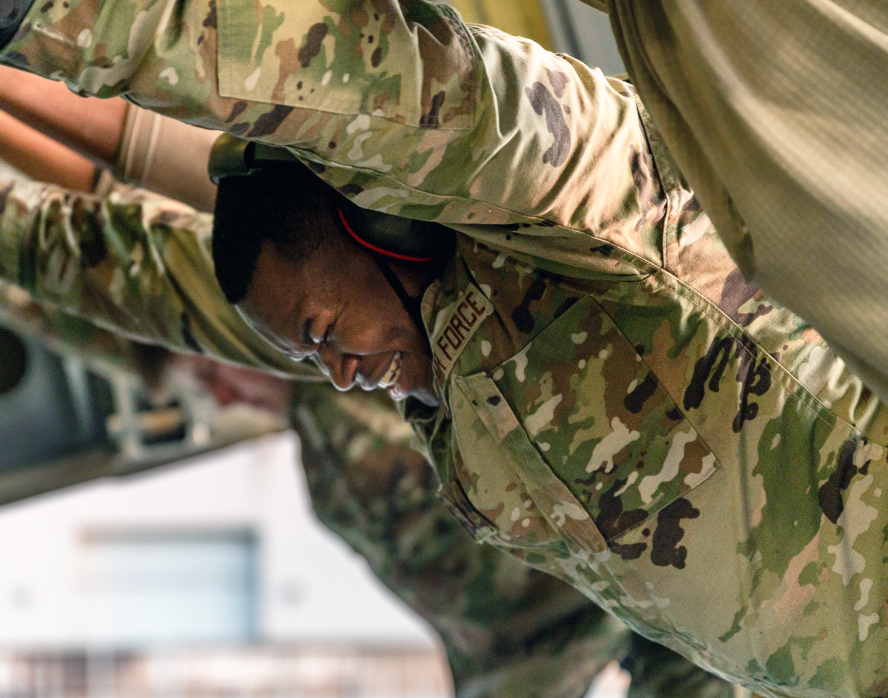
Fitness in the Air Force is a commitment to becoming stronger, more capable, and ready for whatever comes next. Through the Culture of Fitness initiative, Airmen build lasting habits that enhance readiness and support sustained performance across every stage of their career.
-
As part of the initiative, more than 180 gyms across Air Force and Space Force facilities are open 24/7.
-
Nutrition is also a focus, with the Air Force reworking its meal options to provide healthier food for service members.
-
Proactively managing mental health minimizes duty limitations and ensures deployable and employed-in-place forces that can execute operations.
-
Whether you’re preparing for Basic Military Training or building a stronger fitness routine, the Air Force offers resources to help you stay motivated and ready. Download the Aim High App for sample workouts and fitness plans and listen to the Air Force’s Spotify playlists while you train.

-
01
MUSCULAR STRENGTH – 50 pts
This involves 1-min push-ups or 2-min hand-release push-ups.
-
02
CARDIOVASCULAR FITNESS – 20 pts
Airmen must be able to complete a 2-mile run or a 20-meter High Aerobic Multi-Shuttle Run.
-
03
CORE ENDURANCE – 15 pts
To measure core endurance, Airmen must complete one of the following: 1-min sit-ups, 2-min cross-leg reverse crunches, or a timed forearm plank.
-
04
BODY COMPOSITION – 15 pts
An Airman’s Body Mass Index (BMI) must be between 19 to 27.5.
-
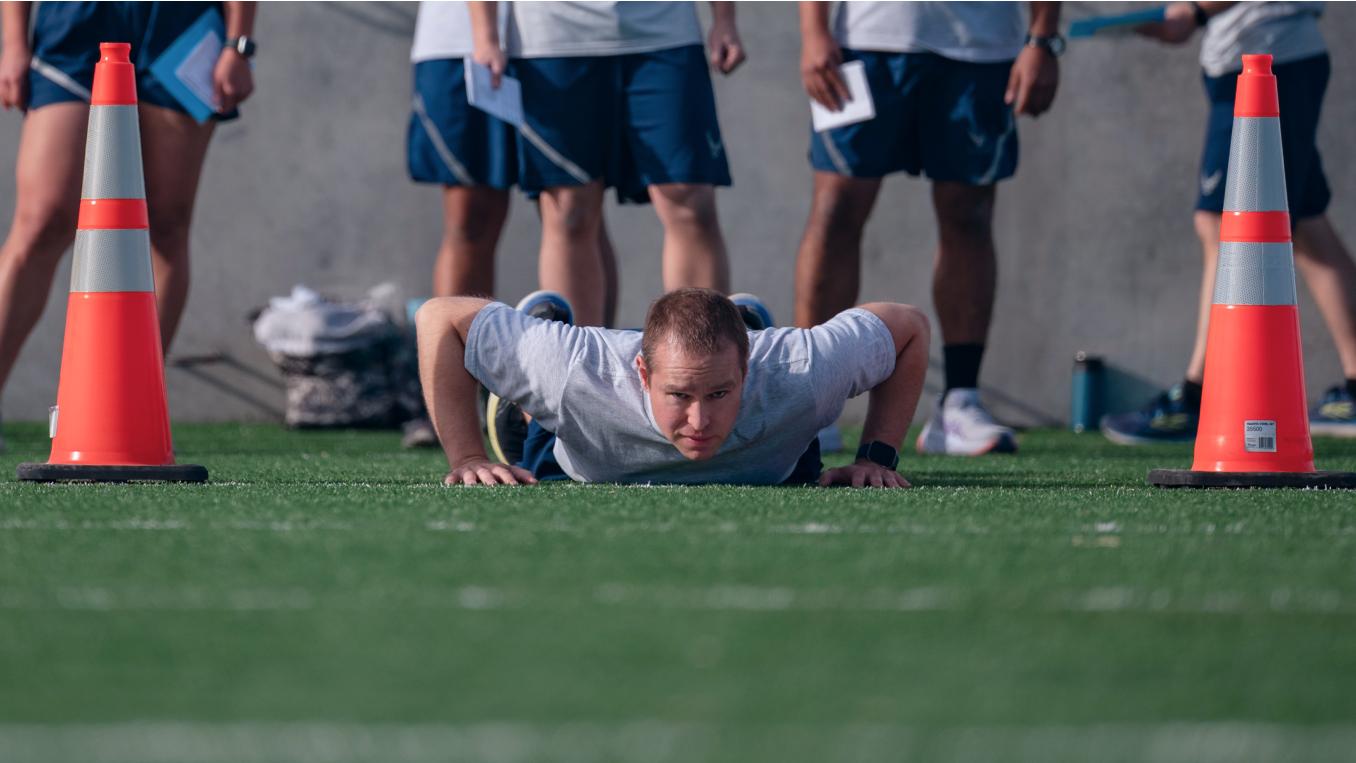
Push-ups - Muscular Strength
-
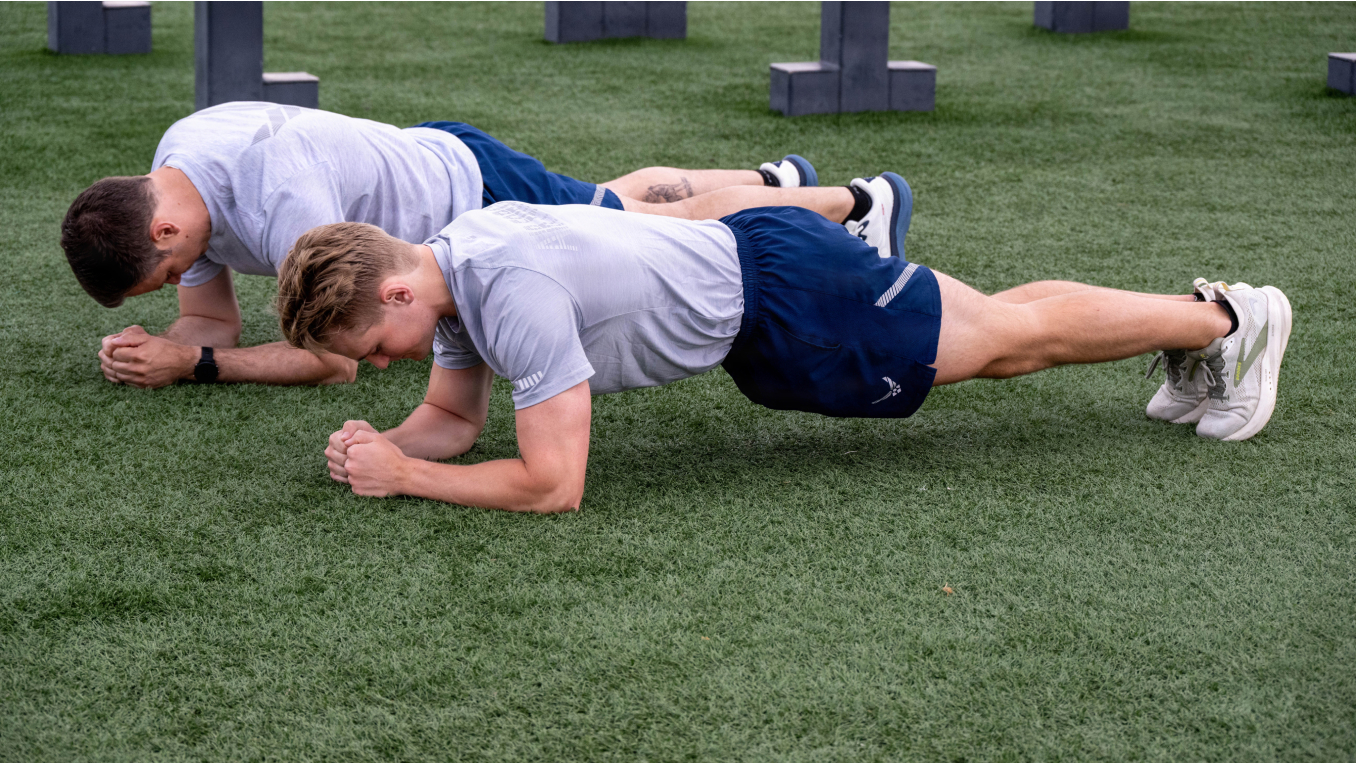
Timed Forearm Plank - Core Endurance
-

Run - Cardiovascular Fitness
ENLISTMENT STANDARDS FOR HEIGHT AND WEIGHT
The Air Force utilizes a Body Mass Index (BMI) range of 19 to 27.5 to determine height-to-weight ratio for body composition. The following chart represents the acceptable ratio. If you are above 27.5 BMI, consult your recruiter who will use a body fat measurement (BFM) to assess your eligibility.
| HEIGHT (IN) | 58 | 59 | 60 | 61 | 62 | 63 | 64 | 65 | 66 | 67 | 68 | 69 | 70 | 71 | 72 | 73 | 74 | 75 | 76 | 77 | 78 | 79 | 80 |
|---|---|---|---|---|---|---|---|---|---|---|---|---|---|---|---|---|---|---|---|---|---|---|---|
| MIN. WEIGHT (LBS) | 84 | 87 | 90 | 93 | 96 | 99 | 102 | 105 | 109 | 112 | 115 | 119 | 122 | 125 | 129 | 133 | 136 | 140 | 144 | 148 | 151 | 155 | 159 |
| MAX. WEIGHT (LBS) | 131 | 136 | 141 | 145 | 150 | 155 | 160 | 165 | 170 | 175 | 180 | 186 | 191 | 197 | 202 | 208 | 214 | 220 | 225 | 231 | 237 | 244 | 250 |



STAYING FIT ON BASE
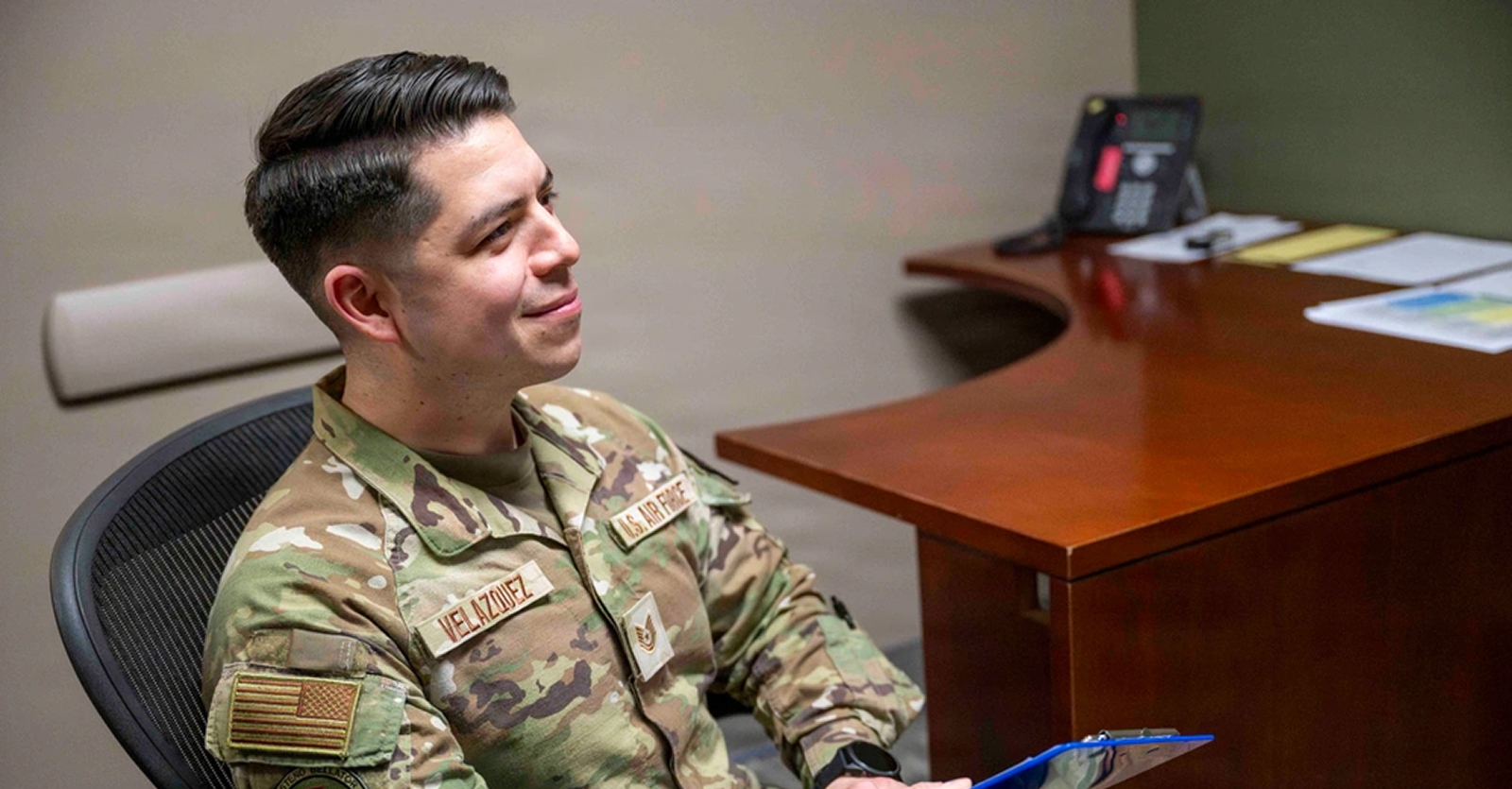
To help Airmen find ways to keep up with their fitness goals, each Air Force base offers a variety of ways to stay active from hiking trails and golf courses to Olympic-size swimming pools and recreational sports.
FITNESS FAQS
-
The Air Force uses a Body Mass Index (BMI) range of 19 to 27.5 as the standard for body composition assessment. If your BMI exceeds 27.5, you will be required to undergo body fat measurement (BFM) testing instead. The maximum allowable body fat percentages are 26% for males and 36% for females. If your BMI falls below 19, consult with your recruiter or medical provider, as this may also require additional assessment or evaluation.
-
Your fitness requirements start with meeting the Air Force’s height and weight standards. You’ll receive additional resources and training during Basic Military Training (BMT) to help improve your physical fitness. To prepare, download the Air Force's Aim High App for sample workouts and fitness plans, and watch the "Couch to BMT" video series.
-
During pregnancy, the Air Force pauses standard fitness testing and shifts focus to health and safety. Training is modified to avoid high-intensity exercises while focusing on low-impact activity guided by providers. After childbirth, a recovery period allows for a gradual, supported return to full fitness standards.
-
Active-duty Airmen must take the PFRA every six months, regardless of their previous score, to maintain consistent fitness standards and ensure ongoing operational readiness. Airmen in the Air Force Reserve and Air National Guard take the PFRA once a year.
-
The updated PFRA includes a scored body composition component using the Waist-to-Height Ratio program and a two-mile run, creating a more challenging assessment that accurately reflects operational demands.
-
Failure to meet fitness standards can result in duty limitations or non-deployable status. Persistent non-compliance may trigger command action, counseling, medical evaluation boards, or administrative separation.